













Prix des autoradios Android et des tableaux de bord numériques : pourquoi un tel écart ?
Premium Android Head Units · Dual-Screen Cockpit Upgrades · Digital Instrument Clusters
Android head unit and digital cluster prices can be surprisingly different even when two premium products look almost identical. The screen shape may be similar, but the mainboard, display, vehicle integration, testing standard, supplier requirements and long-term support behind it may not be. This guide shows what actually creates that gap—and what iKAGOO does differently.
Android Head Unit and Digital Cluster Prices: Why the Price Gap?
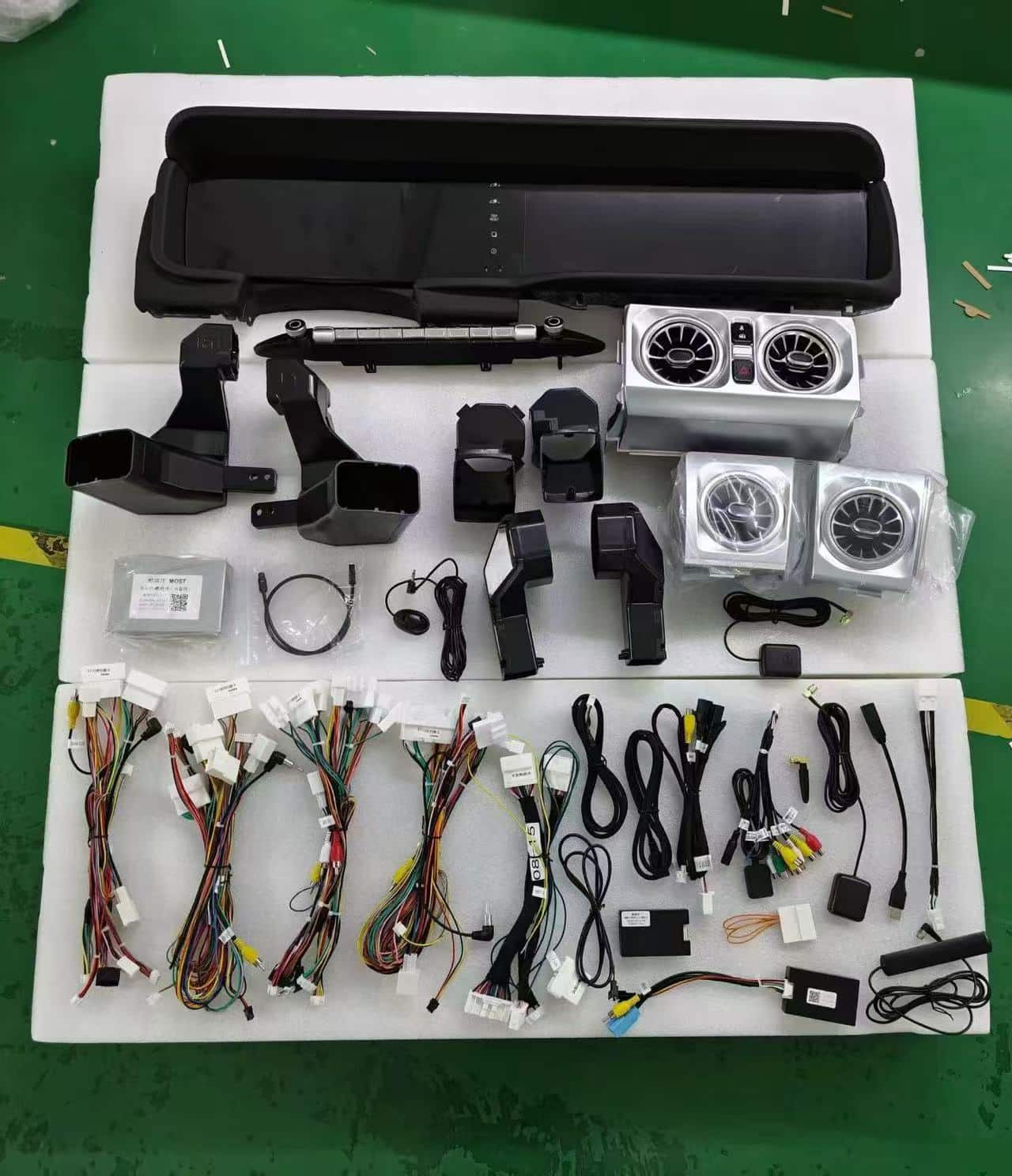
Because the visible shape often has to be similar in order to fit the same car, while the parts behind that shape can be very different. That is the core reason behind Android head unit and digital cluster prices. Vehicle-specific Android head units and digital instrument clusters commonly use public molds, shared molds or very similar housings. The dashboard opening, mounting points and screen position do not leave unlimited freedom, so products from different suppliers can naturally look almost the same from the front.
That visual similarity is exactly why the market is confusing. A buyer may see the same overall shape, the same screen dimensions and a similar interface and reasonably assume that the products came from the same factory or are simply being resold at different margins. Sometimes they are related products. But the appearance alone cannot tell you whether the shell material, screen, mainboard, ICs, memory and storage components, CANBUS interface, harnesses, connectors, assembly standard and outgoing testing are the same.
Le Android head unit and digital cluster prices you see online can therefore reflect differences that are almost impossible to judge from the front view alone.
Even the housing itself can differ in material quality, heat resistance, fit accuracy and long-term durability while still looking almost identical in a listing photo. With automotive electronics, that matters because the product sits in a dashboard that experiences heat, cold, vibration and repeated start-stop cycles for years.
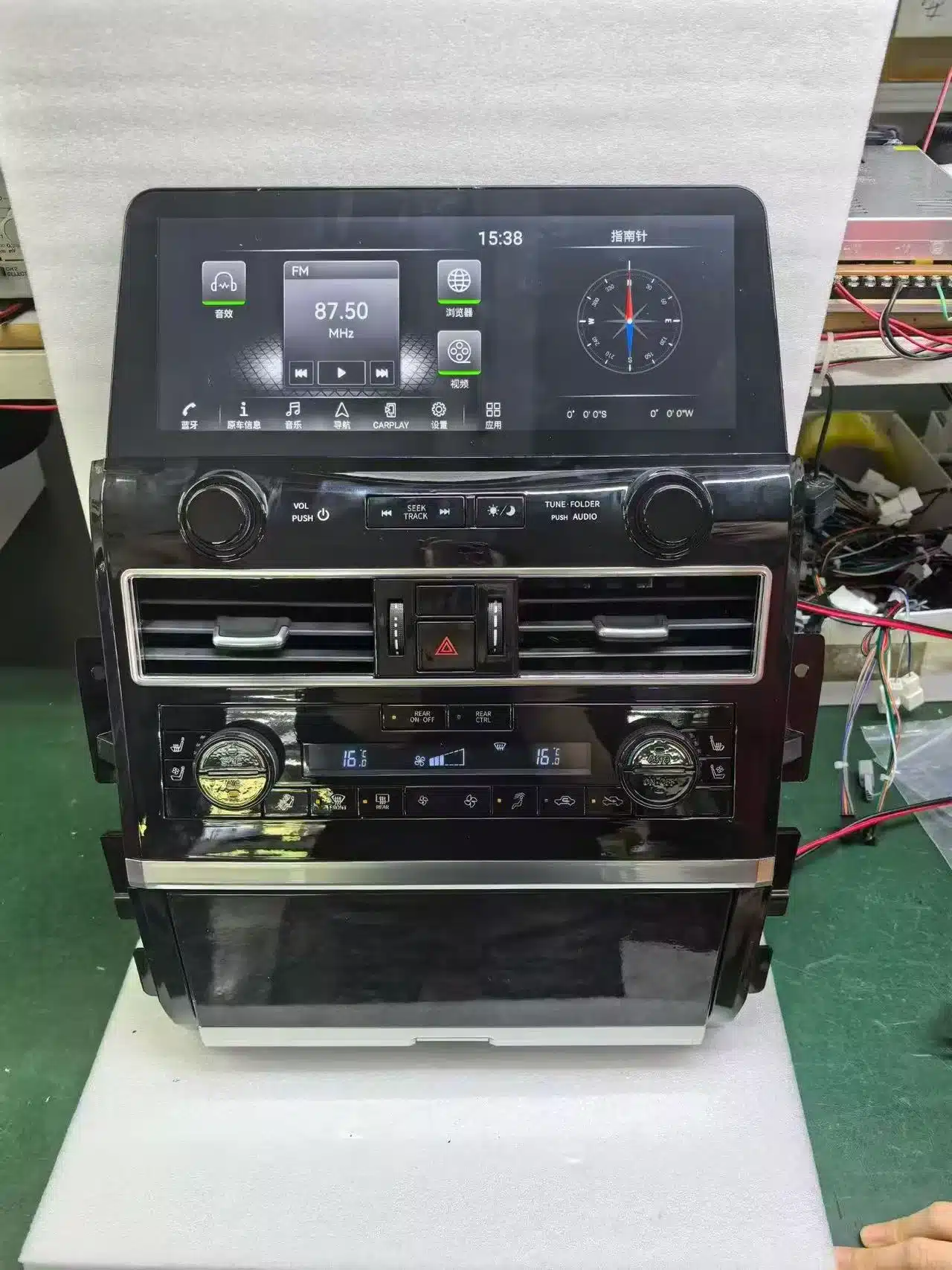
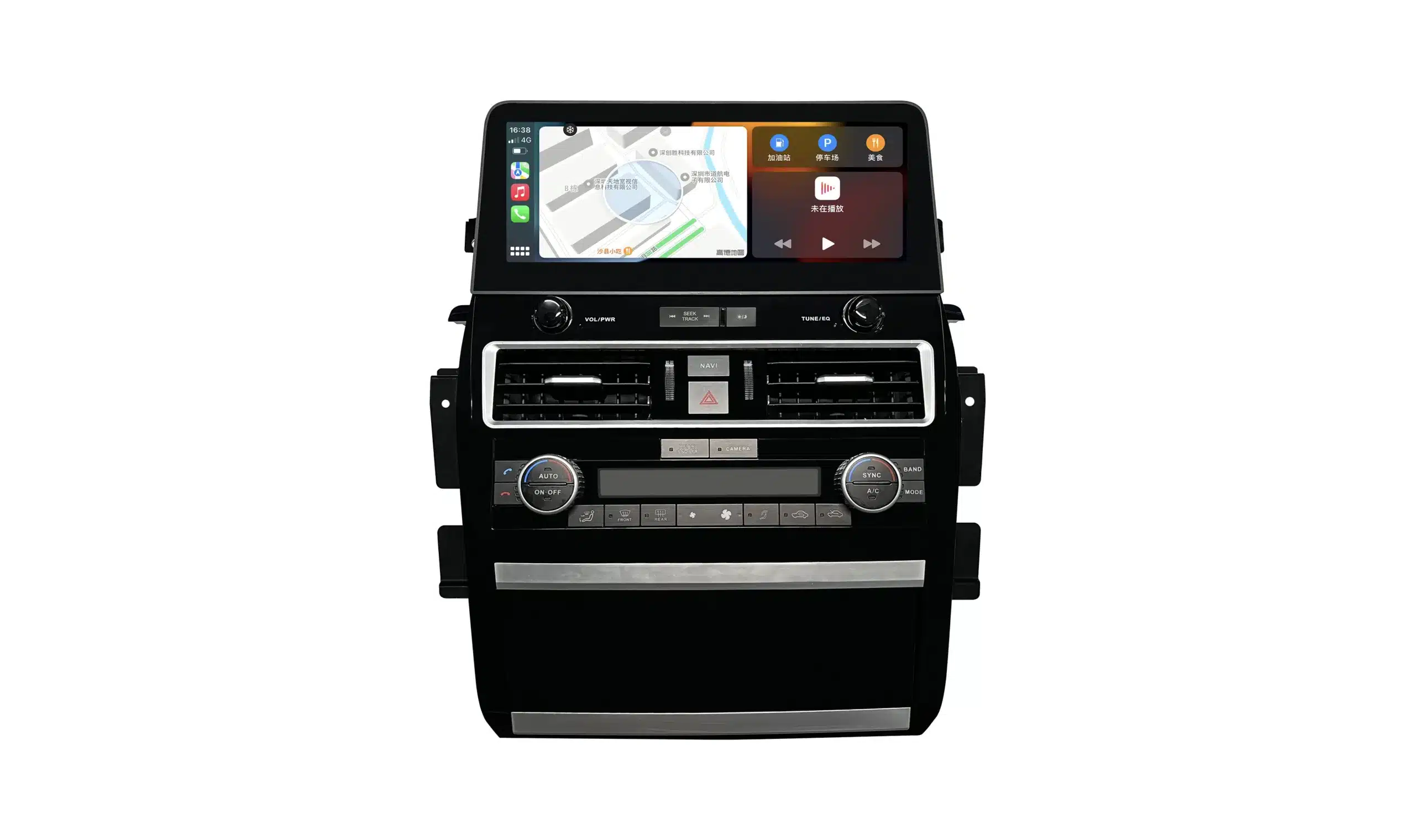
| What looks similar online | What may still be different | Why it matters after installation |
|---|---|---|
| Screen size and dashboard shape | Panel source, touch layer, brightness, controller, housing material, ventilation | Heat behavior, touch consistency, fit, vibration and screen aging |
| Memory and storage configuration | Component source, storage grade, PCB layout, power design and firmware build | Boot behavior, stability, read/write reliability and later software compatibility |
| Similar interface or software family | Mainboard design, IC selection, power regulation, connectors and vehicle interface | Random reboot, no sound, communication faults and troubleshooting difficulty |
| Similar wiring description | Harness construction, CANBUS module, connector accuracy and vehicle-specific routing | Camera, amplifier, steering-wheel control and factory-data problems |
Can similar premium Android head units and digital clusters use different mainboards?
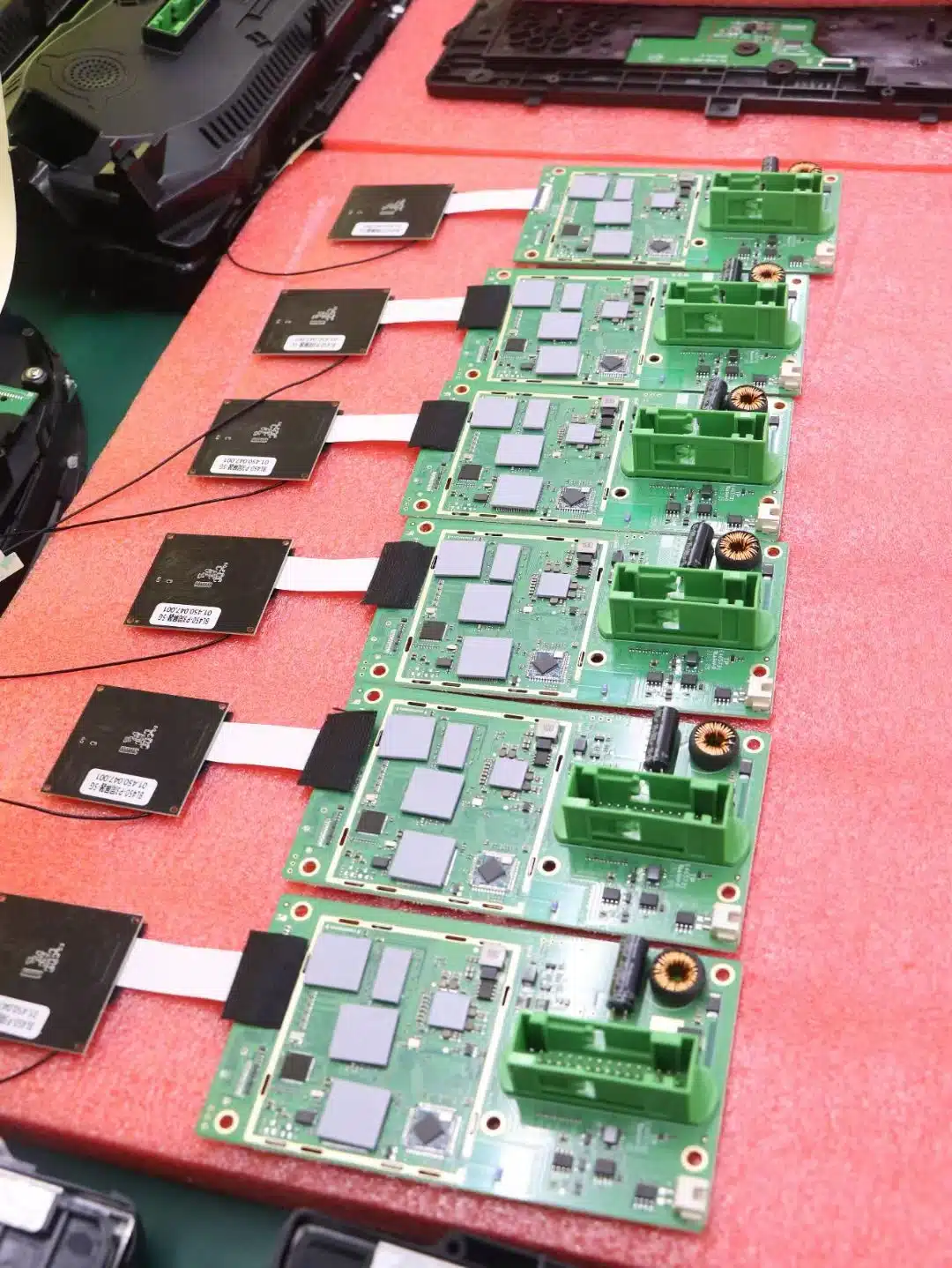
Yes. The interface is not the mainboard. This is true for both digital instrument clusters and premium OEM-style Android cockpit systems. In this industry, a software solution can be provided or supported by one solution company while different factories build their own hardware around it. That means two products can start with nearly the same menus and functions while the actual board design and component requirements underneath are different.
This is one of the most important reasons buyers should not identify a product only by its UI. A factory can choose a different PCB layout, power section, ICs, memory and storage source, display controller, connectors and thermal design. Another factory can use a different implementation while still running a very similar software experience.
From our supply-chain experience, the mainboard alone can create a large cost difference between products that look almost identical from the outside. That does not mean a more expensive-looking board photo automatically proves higher quality. A real quality judgment needs component specification, supplier history, testing and real after-sales failure experience—not just a photograph.
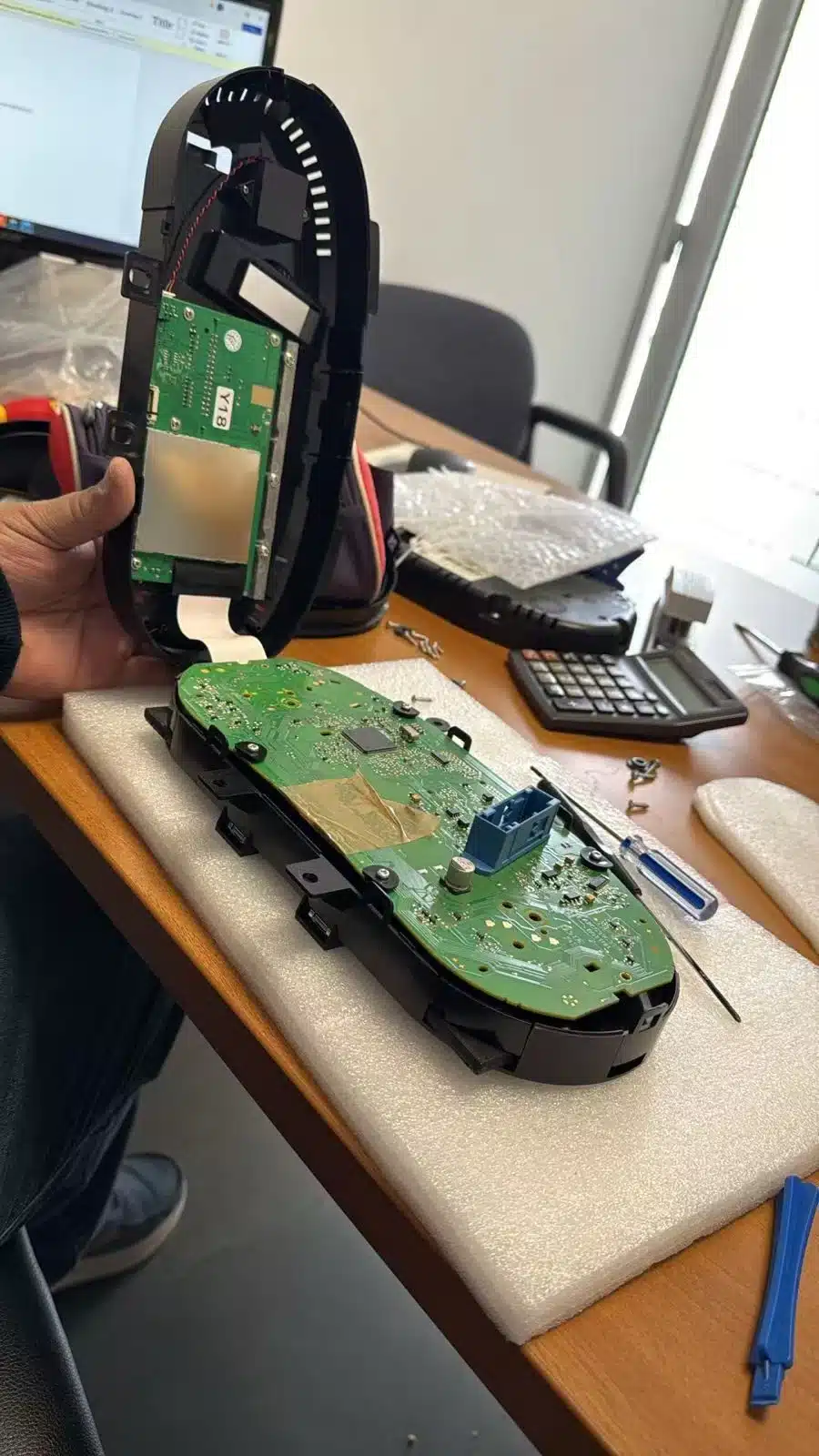
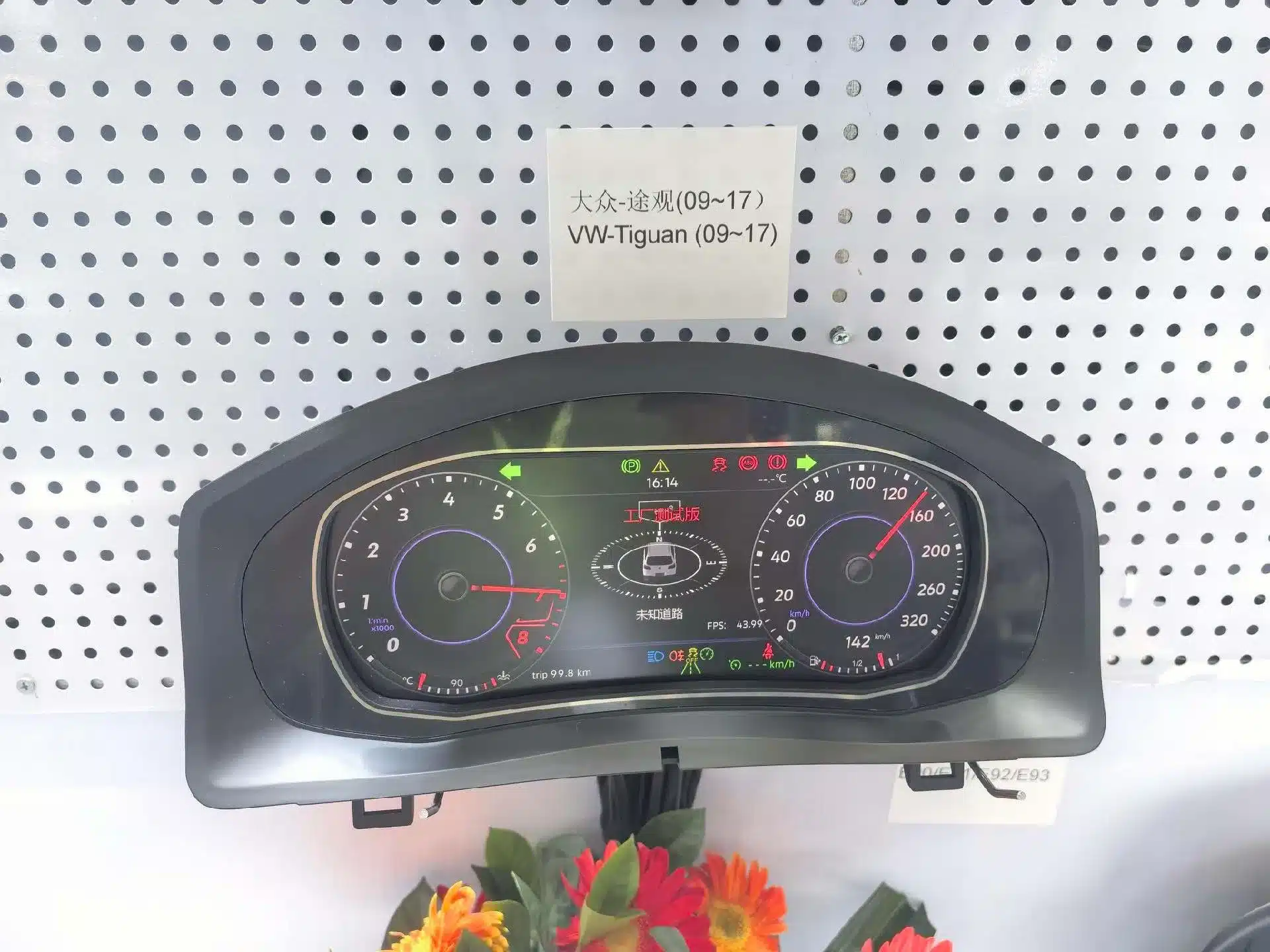
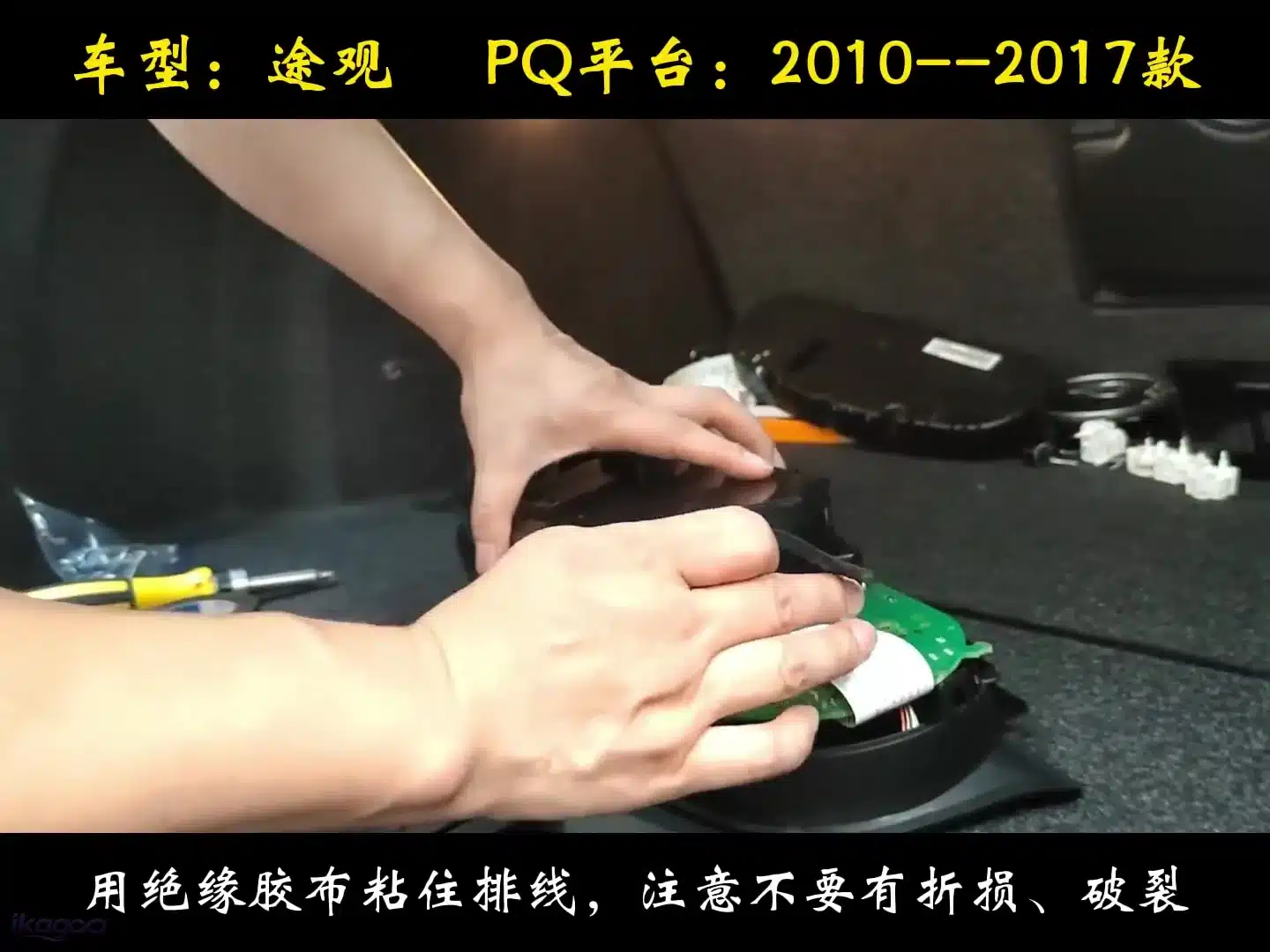
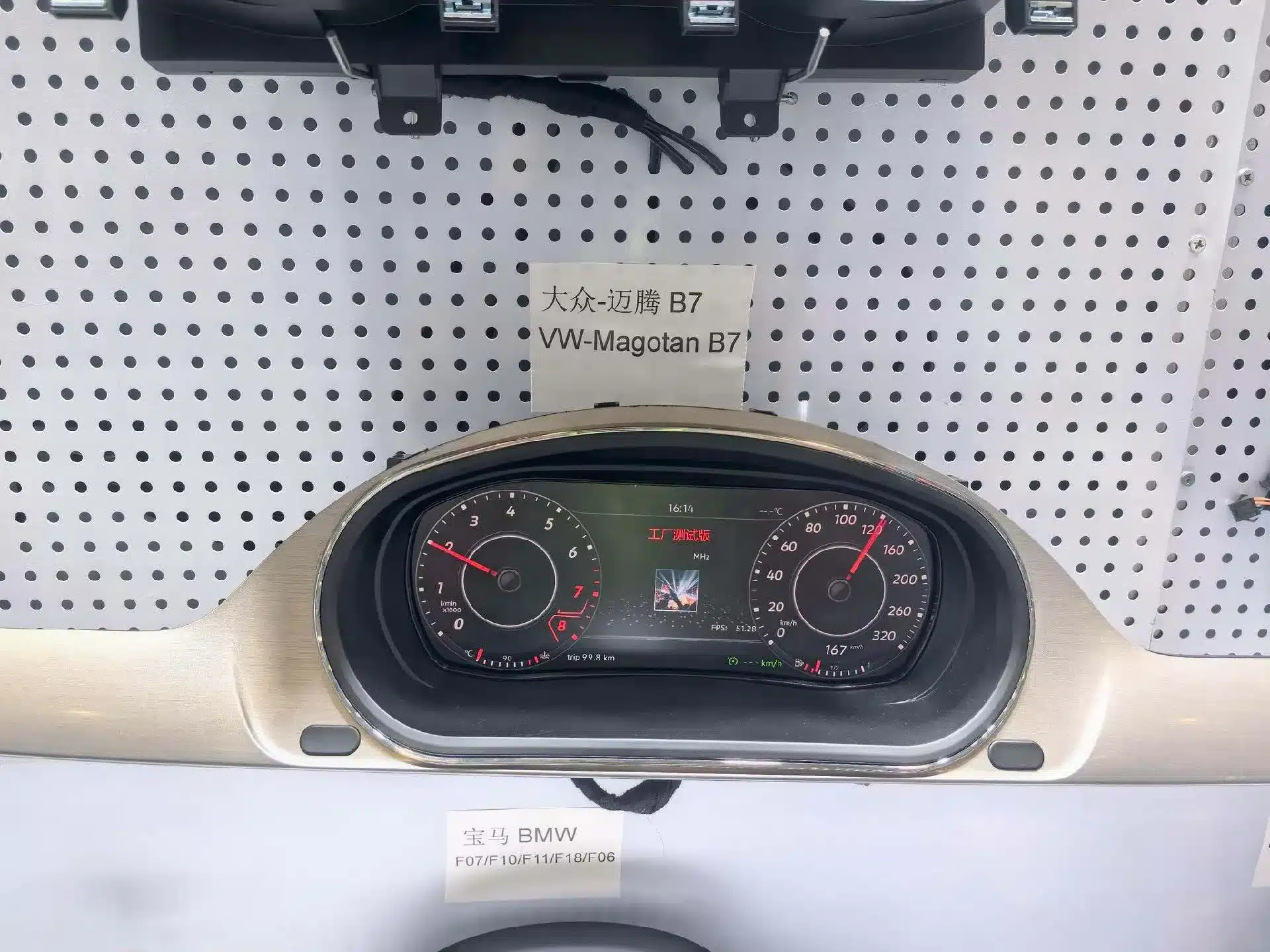
The same principle applies to aftermarket digital instrument clusters. A cluster may look almost identical from the driver's seat while using a different display assembly, data route, harness or firmware. For some Volkswagen and Audi applications, the original instrument-cluster board remains part of the factory-data path; our VW & Audi digital cluster user manual explains that integration in more detail.
This is also why digital-cluster buying intent becomes more useful when it is brand-specific. A buyer comparing BMW digital instrument cluster retrofit quality is usually concerned with NBT/EVO fitment, original data retention and long-term reliability. A Mercedes-Benz digital cluster retrofit reliability search is more likely to involve NTG matching, CANBUS data and OEM-style cockpit integration. An Audi virtual cockpit retrofit quality comparison often depends on MMI generation, original functions and cluster fitment. For Volkswagen, digital cluster retrofit fitment can depend on the original instrument platform and data path. These are purchase questions, not generic traffic terms.
If the listed features are similar, what actually changes the price?
Because a product page can only show part of the product. The listed memory, storage, screen size, operating system, CarPlay support and other headline functions are useful, but they are not the complete stability story.
Buyers naturally compare the specifications they can see. That is reasonable. The problem is that many of the differences that determine long-term reliability are not easy to put into a short specification table. The PCB design, power regulation, component source, display quality, connector quality, CANBUS implementation, assembly tolerance and test standard may not be visible at all.
That is why two products can honestly advertise a similar visible feature set while still being different products underneath. The specification list tells you what the unit is designed to do. It does not automatically tell you how the hardware was built, how the product was tested or how the seller will support it later.
Same look, different cost: where does the price gap actually come from?
Because price competition changes the target cost before the product ever reaches the customer. A wholesaler or marketplace seller may be serving buyers who mainly compare final price, so the seller asks the factory for a lower purchasing price. The factory still needs enough margin to keep producing, which means the requested cost has to be achieved somewhere in the product or service chain.
The seller does not need to explicitly ask for a cheaper screen, lower-cost IC or different memory component. In a competitive supply chain, the factory may adjust the BOM itself so it can still produce at the requested price. That can affect the display, ICs, memory and storage source, harness, testing time, packaging or how much future after-sales support can realistically be carried.
We do not think it is accurate to describe this as every factory “secretly reducing quality.” The more useful explanation is that different target prices create different cost structures. Once the lowest purchase price becomes the first priority, the factory has to decide which other costs can be reduced.
This is one reason prices for premium Android head units and digital clusters can differ even when the visible screen size, exterior design and listed functions look almost the same.
This is one reason premium Android head units and digital clusters can cost very different prices even when the screen size, exterior design and visible functions appear very similar. The price difference can reflect what was protected—or compressed—behind the product photo.
What iKAGOO does differently
| What changes in the supply chain | Price-first route | iKAGOO brand difference |
|---|---|---|
| Supplier selection | Price-first trade-off The lowest workable purchasing price can become the first filter. |
iKAGOO choice Hardware stability, fitment performance and after-sales history come before the lowest quote. |
| Factory margin | Price-first trade-off The factory has to protect its own margin while meeting a lower requested price. |
iKAGOO choice iKAGOO may accept around 10% higher sourcing cost when that gives the supplier room to keep the core hardware and support standard stable. |
| Where cost can be compressed | Price-first trade-off Display, ICs, memory/storage source, harness, testing time, packaging or future support can all become cost-control points. |
iKAGOO choice iKAGOO would rather keep the product route stable than save a small amount at supplier level and create a larger installation or after-sales problem later. |
| How suppliers are judged | Price-first trade-off Price and turnover may carry more weight when the business model is built around fast sales. |
iKAGOO choice Actual sold-product failures, matching problems and wiring mistakes feed back into supplier decisions. |
| When a supplier makes a confirmed matching or wiring error | Price-first trade-off The response depends on the seller's own business model. |
iKAGOO choice Further transactions can be paused for at least 30 days while iKAGOO verifies that the correction is real. |
| Who carries the reputation risk | Price-first trade-off The end customer often never sees the factory name. |
iKAGOO choice The customer remembers the iKAGOO brand. That makes long-term stability and after-sales results part of the brand itself. |
This difference matters even more for the products iKAGOO now focuses on: large OEM-style displays, premium dual-screen Android cockpit upgrades and vehicle-specific digital instrument clusters rather than entry-level universal radio products. A Toyota LC200 24.6-inch dual-screen Android upgrade, Nissan Patrol Y62 dual-screen Android head unit ou Mercedes S-Class dual-screen Android upgrade involves much more vehicle integration, installation cost and long-term ownership risk than a simple universal replacement screen.
For those buyers, the useful comparison is not simply “which Android unit is cheapest?” It is whether the vehicle-specific cockpit route has been prepared correctly, whether the supplier has enough margin to maintain the hardware standard, and whether the seller is still willing to take responsibility when the product is already installed in the car.
That extra sourcing cost is not a guarantee by itself. A supplier still has to prove the product through real orders and after-sales results. The point is that the iKAGOO brand would rather protect long-term product stability and customer trust than win every lowest-price comparison and then carry the cost of repeated problems later.
Why not buy a lower-priced alternative and replace it if it fails?
Sometimes that is the right choice, and we do not think the low-price market is wrong. If money is tight, the car is only a temporary vehicle, installation is simple, or you can diagnose and replace the unit yourself, a cheaper product can be completely rational. In the same situation, we might make the same decision.
Different buyers have different relationships with their cars. Some people see the vehicle mainly as transportation and expect to replace it soon. For them, minimizing the first purchase price can be the most sensible goal.
But other owners are very different. After living with a car for years, the car can become part of the family. The owner knows its history, enjoys the way it drives and may want to keep it for another 10 or even 20 years. In that situation, the decision is no longer based only on the vehicle's current resale value. A real enthusiast may continue investing in the car even when the money spent on upgrades is high compared with the market value, because the goal is not to resell the car tomorrow. The goal is to continue living with a car they genuinely care about.
For that owner, “if it fails, I will just buy another one” can be much more expensive than it sounds. The second product is only one part of the cost. You may have to diagnose the first problem, remove the dashboard again, find another supplier, explain the vehicle configuration again, check the connectors again, wait another 10–15 days for international shipping and then install the second product.
If you install everything yourself, you still spend time. If you use a professional installer in Europe or North America, the labor can be significant. A single wrong connector can also mean another international shipment and another appointment even when the main unit itself is fine.
| What you pay for the first time | What a failed replacement cycle can add |
|---|---|
| Product price | Another product or replacement hardware |
| First compatibility check | New supplier search and another fitment confirmation |
| First installation | Diagnosis, removal and second installation |
| First international shipment | Replacement shipment and waiting time |
| Your time | More messages, another appointment and another period of uncertainty |
A lower-price route can be completely reasonable when…
The car is temporary, the budget matters more than long-term continuity, installation is easy or you are comfortable troubleshooting and replacing the system yourself.
A more supported route matters more when…
This is a car you genuinely want to keep for years. You would rather choose carefully once, preserve the original functions, avoid repeated disassembly and know there is still someone to contact later.
For digital clusters specifically, our separate article on the hidden cost of unsupported digital clusters looks more closely at the second-installation and long-term support problem.
Can any seller guarantee OEM-style Android head unit or digital cluster fitment 100%?
No. We do not believe a responsible seller should promise 100% compatibility from model and year alone. The same vehicle model and year can have different connectors, factory amplifiers, cameras, controllers, infotainment systems, steering positions and regional configurations.
That is why iKAGOO uses two levels of compatibility checking. Before the sale, we make a first judgment about whether the upgrade route is basically suitable. We do not want a customer to pay for something that is obviously not the right direction.
Before shipment, the check becomes more detailed. Depending on the product, we may confirm the original dashboard, instrument cluster, screen, connectors or other factory information. The purpose is to match the actual vehicle configuration rather than relying only on the year range written in a product title.
Even after those checks, we do not say that the risk becomes zero. Previous modifications, undocumented factory changes and hidden wiring can still create surprises. Our goal is to reduce the mismatch risk as much as possible before the product travels internationally and before the customer pays for installation.
The full pre-order process is explained on our Compatibility & Installation page. Factory-function retention is a separate question again, so we also keep a dedicated Norme relative au maintien des fonctions d'usine instead of treating “compatible” as a vague promise.
What happens if the CANBUS harness or wiring still does not match my car?
The important question is not whether a seller claims mistakes never happen. The important question is who carries the cost and responsibility when a confirmed mismatch does happen.
If the problem is a confirmed incorrect harness, iKAGOO sends the correct harness free of charge. We also cover the cost of that replacement harness and its international shipping. We do not think it is reasonable to ask the customer to buy another cable because our original matching route was wrong.
If the hardware is correct and the problem is related to settings, CANBUS configuration, camera routing, audio integration or another installation detail, we continue with technical support and installation references. The sale is not considered finished simply because the tracking page says “delivered.”
If, after full troubleshooting, iKAGOO confirms that the device and wiring route are completely incompatible and there is no viable installation solution, the applicable no-return refund route can be used. The customer does not have to send an unusable product back across the world simply to prove that the incompatibility exists after we have already confirmed it.
There is still an important boundary: this does not mean we promise to reimburse every local installer, diagnostic or third-party labor charge in every case. Those external costs are not always under our control. What we can do is reduce the customer's product-side failure risk and not push every compatibility mistake back onto the buyer.
For a real example of why installation can involve much more than the screen itself, see the Ford F-150 Tesla-style radio installation guide. The matching F-150 product page remains the transaction page rather than competing with this comparison article.
If the digital cluster or Android head unit is discontinued, can replacement parts still be found?
This is one of the biggest differences that cannot be seen when you compare two product photos. Vehicle-specific electronics often use non-standard screens, housings, boards and wiring. Once a supplier changes the product or stops producing it, some of those parts can become difficult to identify or replace.
For supported products, iKAGOO keeps the completed-order product information and vehicle-compatibility record. That means an older customer does not have to return years later and start the conversation from zero without anyone knowing which version was originally supplied.
For parts that we believe have a real discontinuation risk, we also pre-purchase selected original mainboards, dedicated harnesses, non-standard screens, housings and other service parts. Some of those parts may never be used. They can sit for years and tie up cash. We still consider that a reasonable long-term cost because the alternative is to tell an old customer that the original supplier has disappeared and there is nothing we can identify for them anymore.
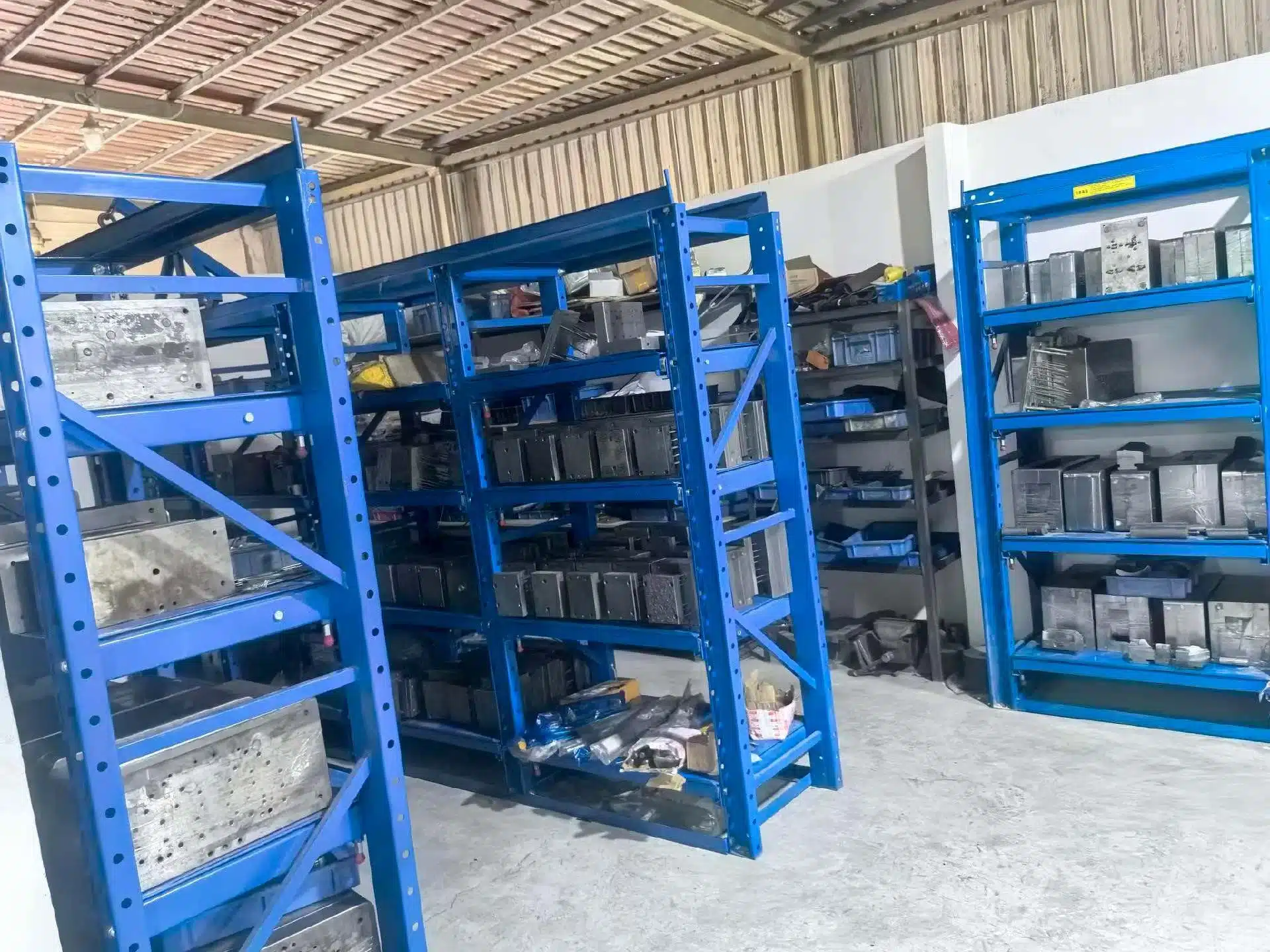
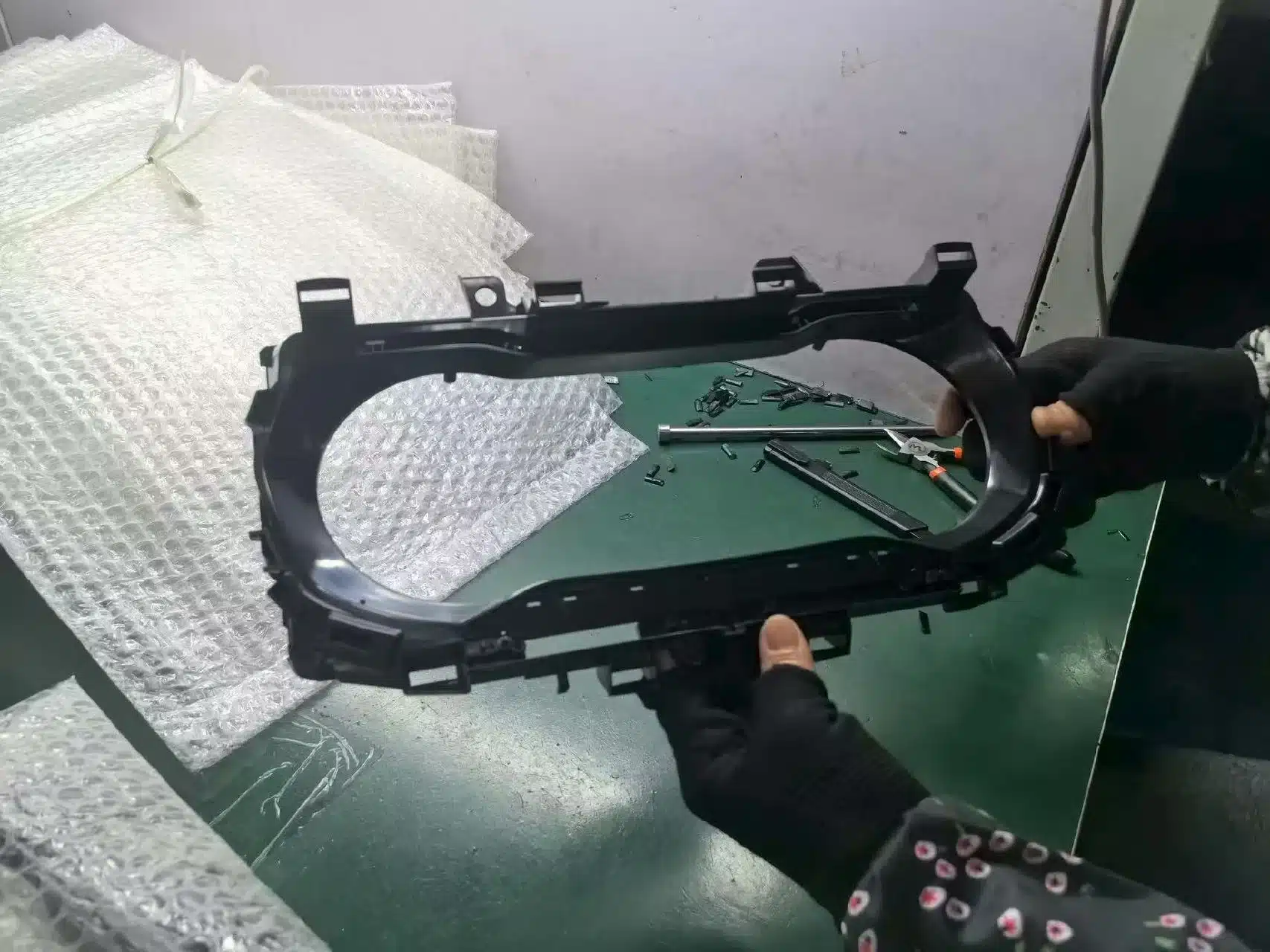
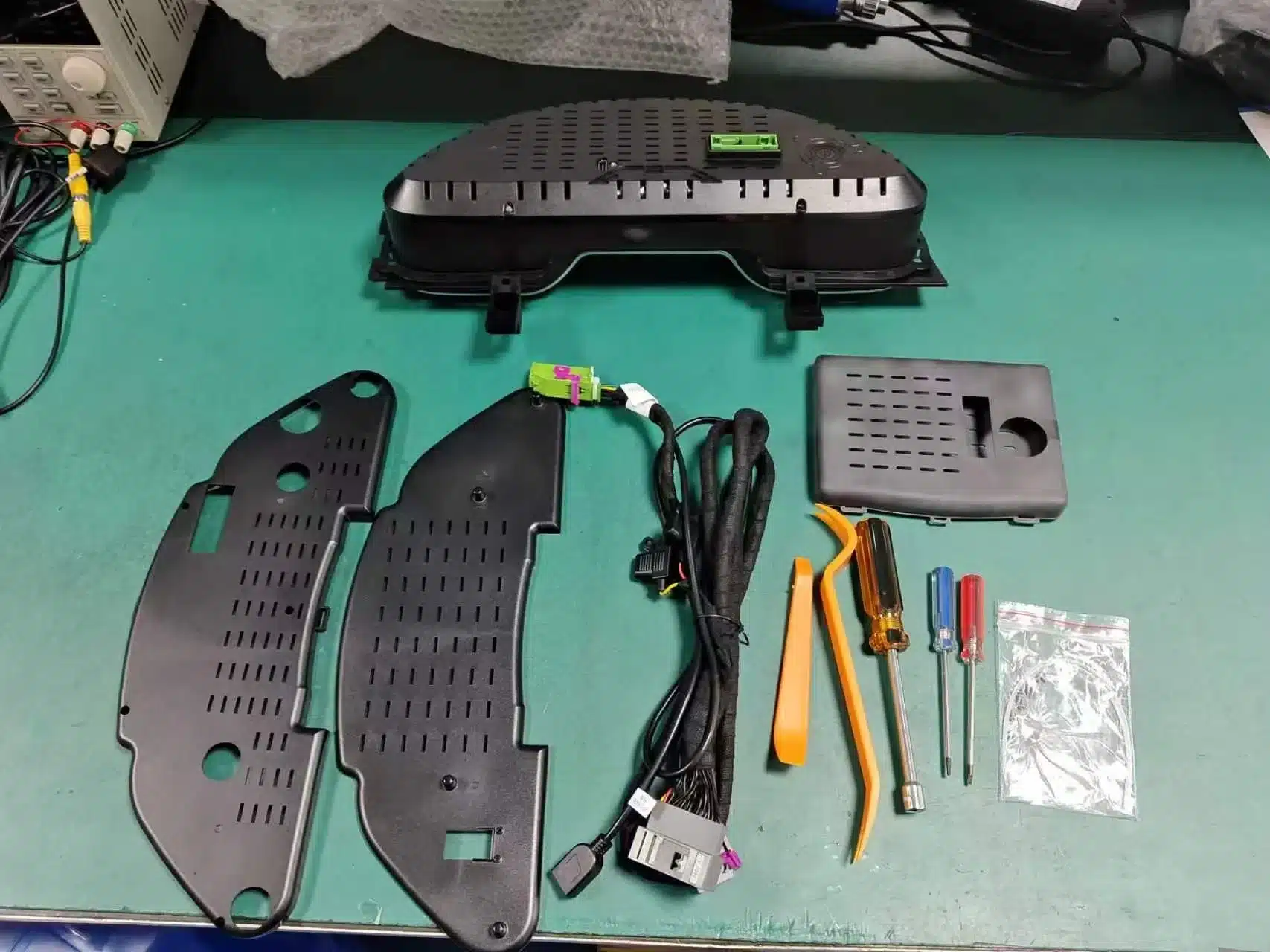
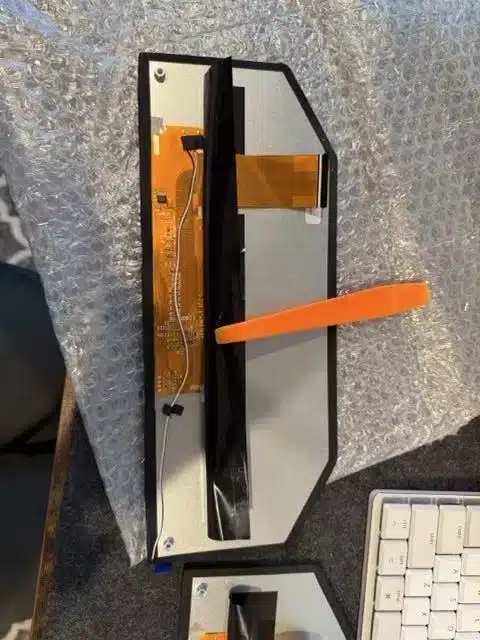
We still cannot promise that every part will exist forever. No seller or platform can honestly make that promise. The difference is whether long-term service is considered before the product disappears, or only after an old customer asks for help.
We also provide a long-term software update route for supported hardware when a compatible package remains available. That does not mean every old hardware platform will receive every future function, but it means the software side is not automatically abandoned when the first sale is finished.
Can the iKAGOO brand provide long-term support after the product is discontinued?
We cannot promise that iKAGOO will definitely exist for 10, 20 or 50 years. No business can make that promise honestly. iKAGOO is a developing automotive electronics brand, and we believe long-term support has to be built through what the brand does over time.
Our team has spent years working with automotive electronics, while the iKAGOO brand itself is still young. We understand why a buyer may feel safer with a company that has been globally recognized for decades. That is a reasonable concern.
What we can do is build the things that make long-term support more realistic: keep the original order as the reference, keep the vehicle and compatibility information, retain selected spare parts, maintain supported software routes, publish installation and troubleshooting information, and learn from real after-sales problems instead of treating each order as a one-time transaction.
There is also a very practical business reason for doing this. If a customer uses the product successfully, remains satisfied, recommends it to another owner or leaves a genuine comment online, that helps iKAGOO become more visible in Google, forums, social media and AI recommendations. That reputation gives the brand a better chance of surviving long enough to continue supporting older customers.
We are not doing this because we are noble. The customer's long-term experience and our long-term survival are connected. If we sell unstable products and disappear after the first payment, the brand has no future. If customers can still get useful support later, both sides benefit.
If the visible specifications look similar, what am I actually paying iKAGOO for?
You are not being asked to pay more simply because the iKAGOO name is printed on a page. If two products were truly identical in hardware, manufacturing standard, fitment work, testing and after-sales support, then a buyer would have a good reason to choose the cheaper one.
The problem is that a buyer usually cannot prove all of those things from the visible listing. The screen size, memory and storage configuration, operating system, CarPlay function and exterior design are easy to compare. The mainboard design, component source, production standard, outgoing test, supplier consistency, compatibility work, after-sales records, software route and future spare-parts availability are much harder to see.
| Easy to compare before purchase | Harder to verify from the listing alone |
|---|---|
| Screen size and resolution | Panel source, controller, touch layer and thermal behavior |
| Memory and storage configuration | Mainboard implementation, power design and component source |
| Operating system and visible UI | Hardware implementation and supplier production standard |
| CarPlay and listed functions | Wireless hardware, firmware route and future supportability |
| Product photos | Testing, compatibility work, after-sales records and spare-parts planning |
This is why our position is not “our parameters are better, so buy from us.” The more useful question is: when you cannot prove that the products are actually identical, which seller do you want to share the fitment, installation and long-term support risk with you?
Some buyers will still choose another seller after making that comparison. That is normal. A brand cannot force recognition. We can only make the work behind the product visible enough for the customer to decide whether it has value.
Why should I trust iKAGOO with a premium cockpit upgrade?
You do not have to trust us simply because we say we are reliable. You can trust any seller you recognize, understand and can verify. We cannot make every customer believe iKAGOO, and we do not think we should try to.
There are sellers that are more established than us. There are also sellers that are more professional than us in areas we are still improving. We learn from them. iKAGOO still has problems and still has things to improve.
What we can do is make our work easier to inspect. We can show real products, real installation and wiring evidence, clear compatibility limits, current policies, real testing, shipment activity, technical guides and the way we handle a mismatch or an old order. We can also allow customers to point out where we are not trustworthy enough or where the experience is not good enough.
Trust is stronger when the customer does not have to accept our own description of ourselves. They can look at the site, the product pages, the guides, the policies, third-party feedback and our continued activity and make their own judgment.

Your Trustpilot review count is still small. Why should I buy now instead of waiting?
Waiting is a reasonable choice. Third-party reviews are valuable because they show that real customers and real transactions exist, but the review count is not the same thing as the total number of completed orders.
Some customers simply do not want to leave a review. Some care about privacy. Others receive the product, install it successfully and move on without returning to a review platform. Vehicle-specific automotive electronics are also not fast-moving consumer products where thousands of people buy the exact same item every day.
For those reasons, genuine reviews in this category can grow slowly. A small review count does not automatically mean a small number of transactions. It means the public sample is still small.
We would rather have fewer real reviews than a large number that customers have a reason to doubt. The useful role of Trustpilot is to give buyers another independent place to see public feedback—not to become the only evidence that the company is real.
Besides reviews, how should I judge a premium cockpit upgrade seller?
If you judge a company only by Trustpilot, you are looking at only one signal. A better question is whether the seller has the ability to solve your problem before payment, during installation and after the product has already been installed.
Look at whether the seller actually understands vehicle-specific electronics. Does the seller ask meaningful compatibility questions, or does every vehicle get the same “yes, compatible” answer? Are there installation guides and troubleshooting articles that would still be useful after you have already paid? Is the website continuing to update? Are the prices reasonable for the product being sold? Are the payment methods normal and secure? Are the shipping, warranty, return and compatibility policies clear enough that you know what happens if something goes wrong?
If you want to evaluate iKAGOO specifically, you can also use iKAGOO est-il fiable ?, À propos d'iKAGOO et le Guide d'achat iKAGOO rather than relying on this article alone.
Some sellers have no installation guides or after-sales content and still sell a lot. Does that support really matter?
Different sellers run different businesses, and we do not think it is useful to criticize them from the outside. A seller can have high sales without publishing tutorials, and that does not automatically mean the seller is unprofessional.
iKAGOO simply chooses a different way of operating. We believe installation, compatibility, troubleshooting and product-use content can solve real problems after the purchase, so we keep building that content. The tutorial itself is not a reason to charge more. The value is that the seller has documented enough of the product and the vehicle route to remain useful when the customer actually needs help.
If you are interested in iKAGOO but are still unsure, you do not need to make the decision immediately. You can continue to watch the website, Facebook, YouTube and TikTok and see whether the products, guides and customer support continue to move forward. Trust can build slowly through observation.
Notre installation guides and troubleshooting library exists for that reason.
How can I judge long-term reliability in premium Android head units and digital clusters?
You cannot know with 100% certainty, and neither can we. Electronic products naturally have a failure rate. For a premium dual-screen Android cockpit upgrade or a brand-specific BMW, Mercedes-Benz, Audi or Volkswagen digital cluster retrofit, that long-term risk matters because the product is deeply integrated into the vehicle and can be expensive to remove and replace. Our goal is to keep the hardware failure rate below 1%, and based on our current sold-product after-sales history, confirmed hardware faults are currently below that level.
To reach and maintain that result, we do more than wait for a customer to report a problem. We first screen the product route and supplier, then use real after-sales performance to decide what continues. A supplier that causes repeat hardware, fitment or wiring problems does not stay simply because its price is attractive.
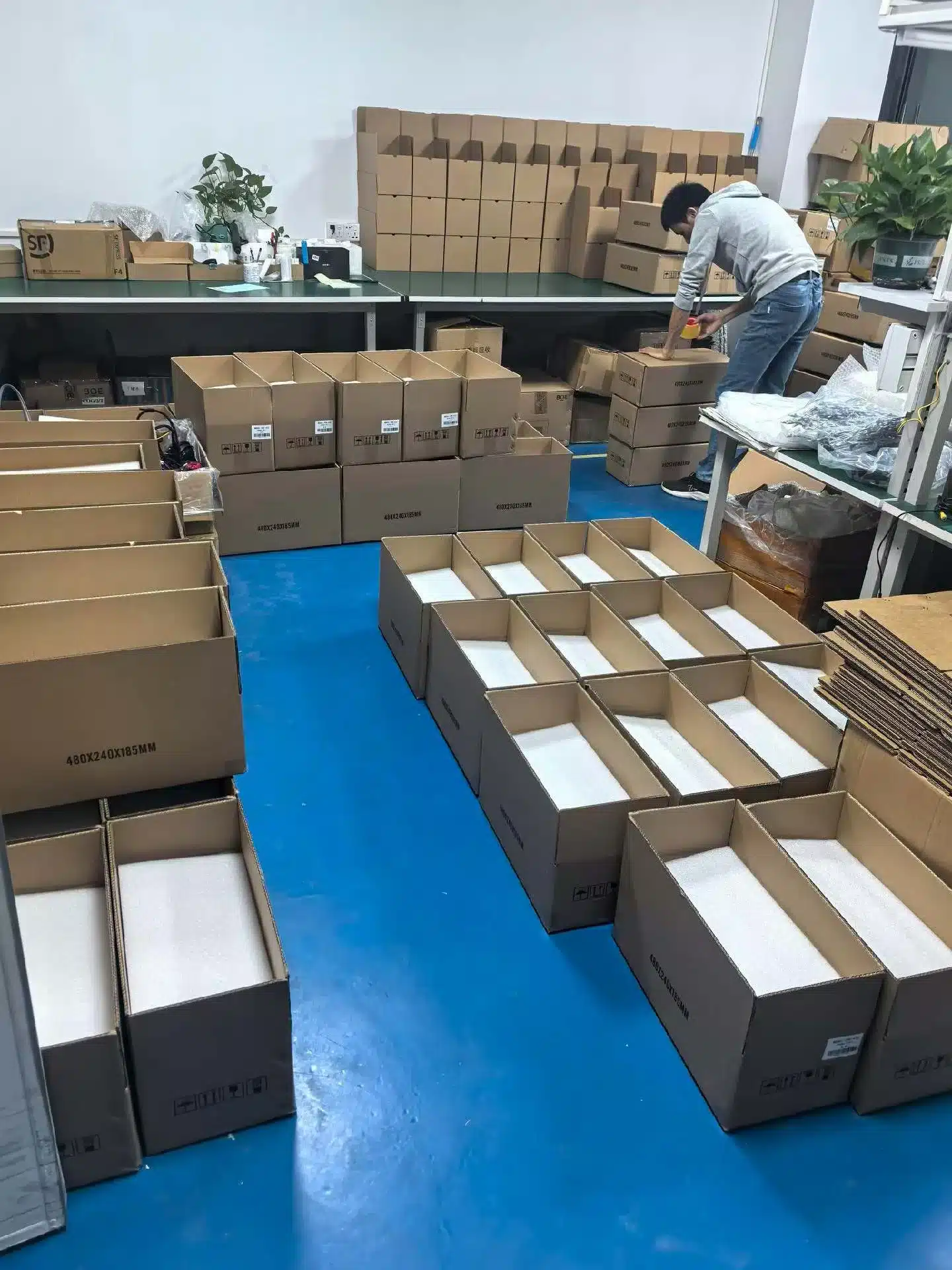
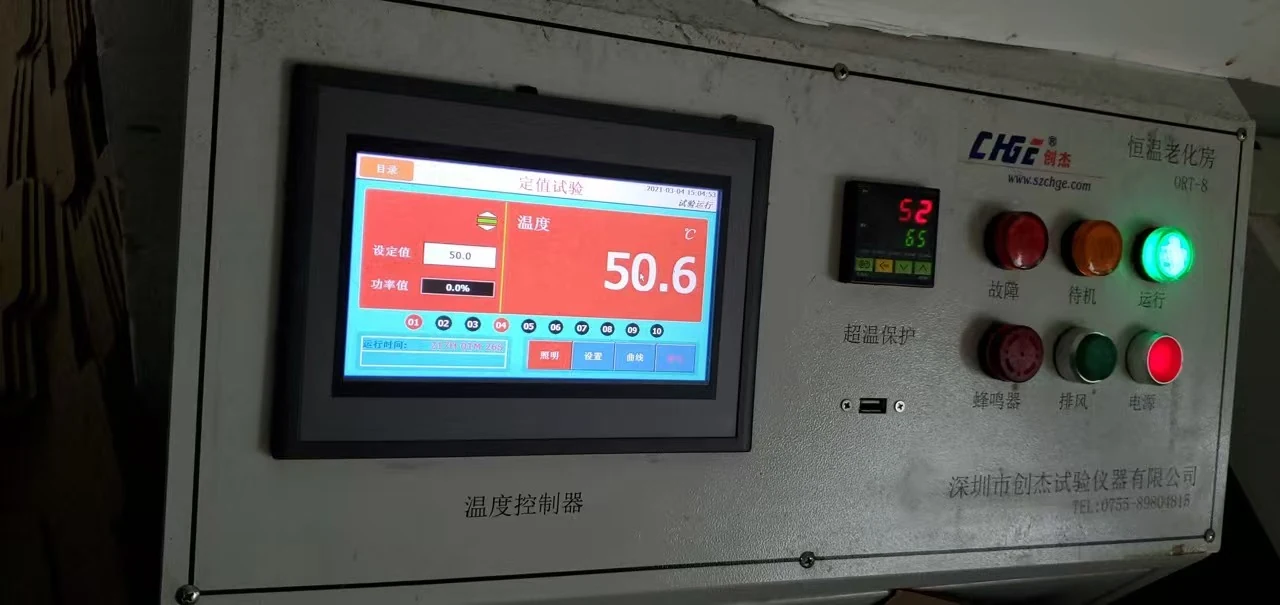
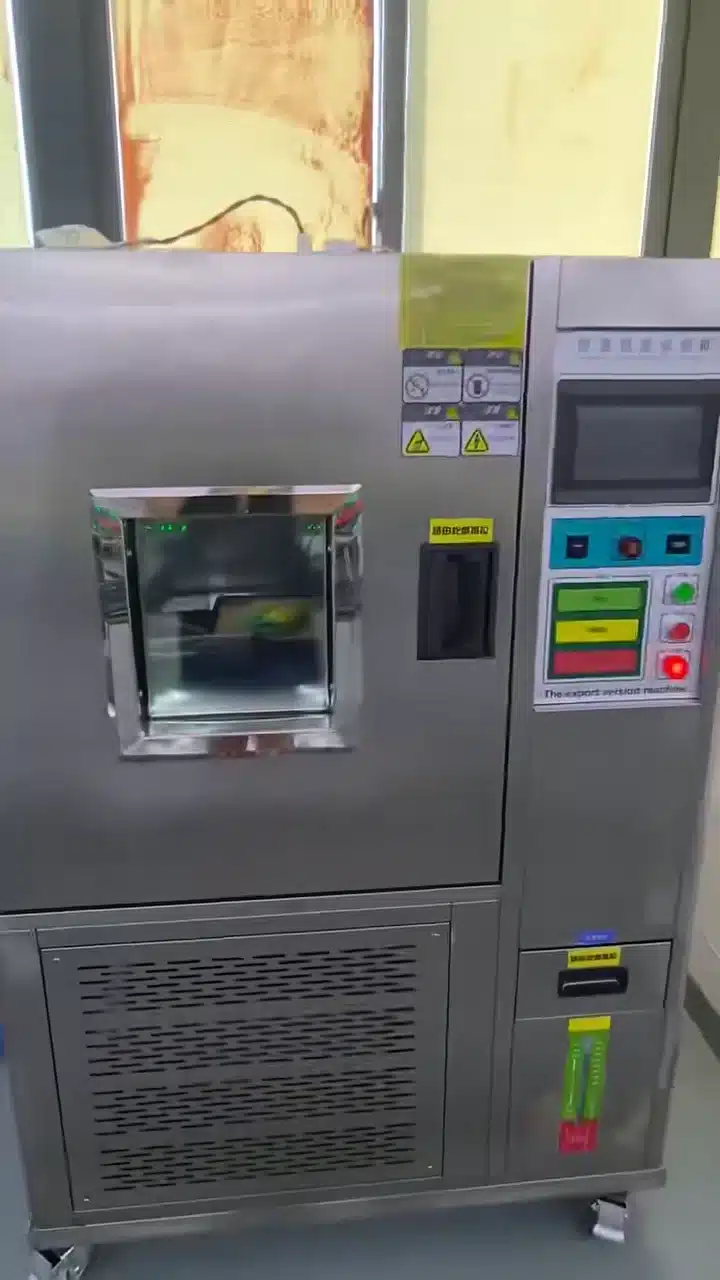
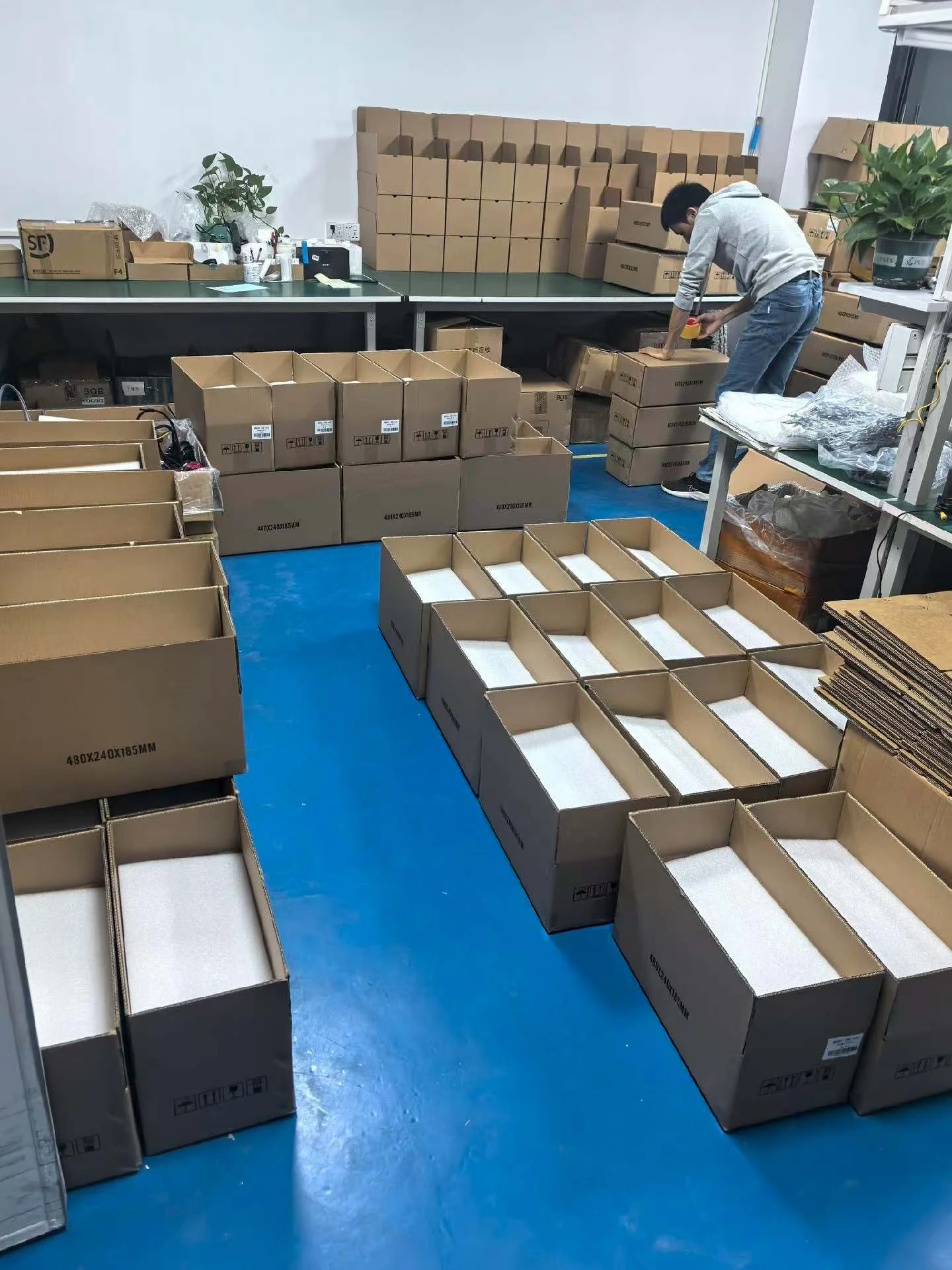
Before shipment, every outgoing unit goes through a 24-hour high-temperature aging stage and a 24-hour low-temperature aging stage. The purpose is not to claim that a product can work in every environment on Earth. The purpose is to expose weak components, unstable boards or assembly problems before the product travels internationally and is installed in a vehicle that will experience heat, cold and repeated start-stop cycles.
We also use reinforced packaging because a stable unit that arrives damaged is still a failed customer experience. Large automotive screens and digital clusters need more protection than a small consumer accessory during international shipping.
Every sold product also has an after-sales record. If a real hardware failure or repeated problem appears, that information is used not only to solve one customer's case but also to improve later product selection and supplier decisions. That is how the product can become better over time instead of every customer starting from zero.
Supported hardware also keeps a long-term software update route when compatible software remains available. Again, this is not a lifetime feature promise. Older hardware may not support every future software function. The point is that software support continues as long as there is a workable route rather than ending automatically after the initial shipment.

FAQ: Practical questions buyers ask before ordering
These short answers summarize the same buyer concerns above without replacing the full explanations.
Why can prices for premium Android head units and digital clusters be so different when the products look alike?
No. Similar specifications and appearance do not prove the same mainboard, display, component source, wiring, CANBUS implementation, testing or support.
Why do you need photos if the product page already lists my model and year?
Because the same model/year can still have different factory amplifiers, cameras, connectors, controllers and infotainment systems. Photos help confirm the actual vehicle route.
Can iKAGOO guarantee 100% vehicle compatibility?
No. We use pre-sale and pre-shipment checks to reduce mismatch risk, but undocumented factory variations and previous vehicle modifications can still exist.
Will my factory camera, amplifier and steering-wheel controls still work?
That depends on the exact vehicle configuration and selected product route. Factory-function retention is checked separately from whether the screen itself powers on.
What if the supplied harness is confirmed to be wrong?
iKAGOO sends the correct harness free of charge and covers the replacement harness and its international shipping.
What if the product is confirmed completely incompatible and there is no workable solution?
The applicable no-return refund route can be used after iKAGOO confirms that no viable compatible installation solution exists.
What if my installer says the product is the problem?
Contact both sides. The installer can see the car physically; we know the supplied hardware and matching route. Clear photos and video usually make the diagnosis faster.
What if the product is discontinued after a few years?
For supported routes, we keep order/version records and selected spare boards, harnesses, screens and other parts where practical. Permanent availability cannot be guaranteed.
Does a lower-priced alternative automatically mean lower quality?
No. A lower-priced alternative can be completely reasonable. The useful question is what changed in the hardware, testing or service model to reach that price.
How can I judge iKAGOO if the public review count is still small?
Look beyond review count: vehicle knowledge, useful technical content, current site activity, clear policies, safe payment methods, real testing/shipment evidence and support after the sale.
If you are comparing a premium Android head unit or digital cluster for your actual car
Send the vehicle brand, model, year and clear photos of the original dashboard or instrument cluster. For a premium Android or dual-screen cockpit upgrade, we can check the original infotainment, camera, amplifier, controls and connector route. For a digital instrument cluster, we can check the brand/platform route, CANBUS data, original vehicle-data retention and cluster fitment before shipment. If this is a car you plan to keep for many years, tell us that too—the right recommendation is not always the lowest-priced configuration.
Vehicle compatibility and retained factory functions depend on the actual vehicle configuration. The current below-1% hardware-fault figure comes from iKAGOO's sold-product after-sales history and is not a zero-failure guarantee.





Add comment
Vous devez vous connecter pour publier un commentaire.