


Guide de mise à niveau du combiné d'instruments numérique pour Ford F-Series et Raptor
F150 Raptor Digital Instrument Cluster Upgrade Guide for 2015–2020 Owners
If you are searching for an F150 combiné d'instruments numérique Raptor, the real questions go beyond appearance. Raptor owners want to know whether the cluster is truly plug and play, whether the original mileage stays correct, whether factory steering wheel controls still work, whether Linux is more stable than Android for a dashboard display, and whether the truck can keep the rugged, off-road character that makes a Raptor feel like a Raptor.
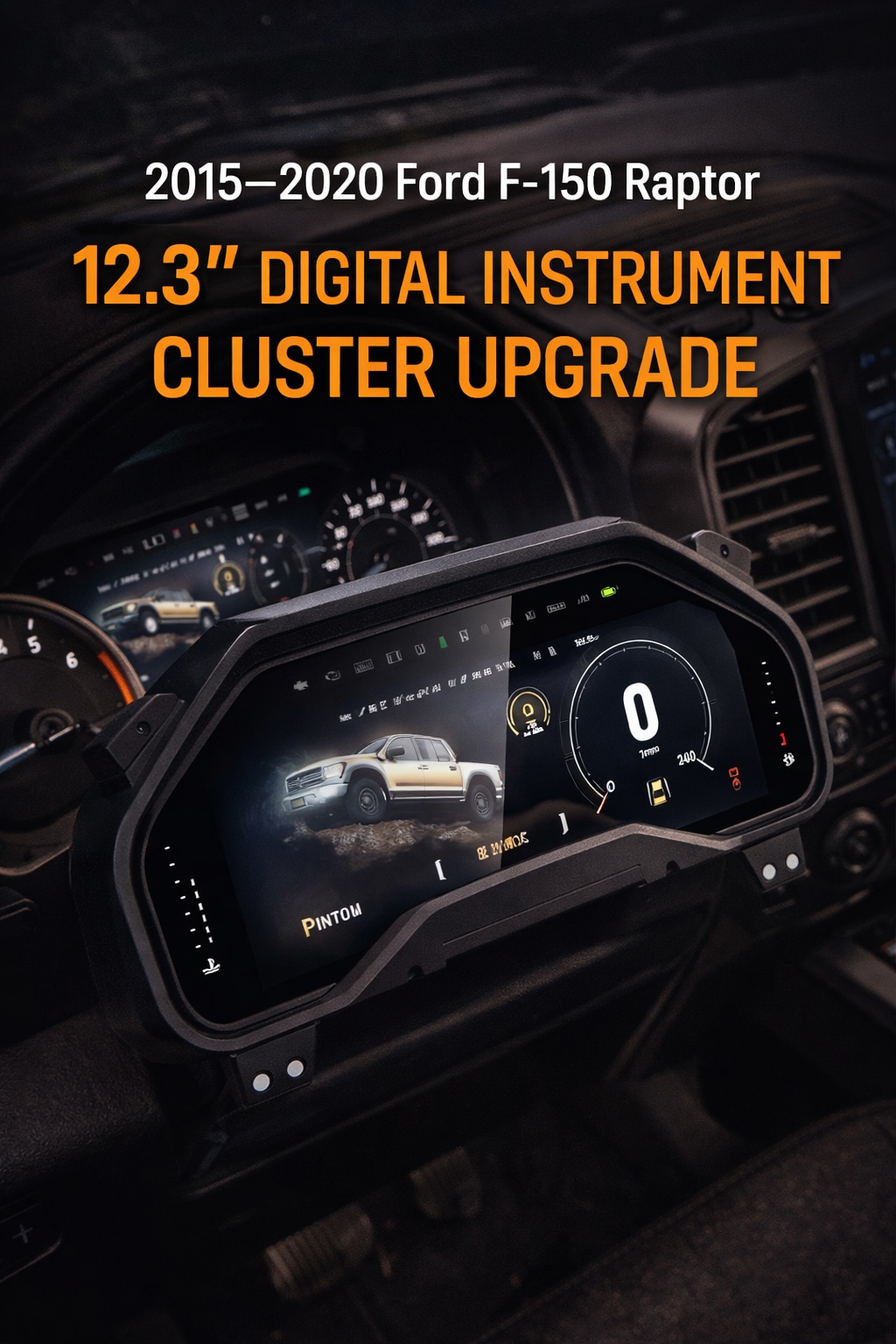
Why Raptor Owners Search Differently From Ordinary F-150 Buyers
A normal F-150 owner may only want a cleaner digital dashboard. A Raptor owner usually wants more than that. The cabin has to feel tougher, more technical, and more performance-oriented. The display has to look right in a truck that already carries a stronger identity than a standard pickup.
That is why Raptor-related searches are more specific. Buyers are not just typing “digital cluster for F150.” They are looking for a display that keeps the truck’s original confidence, shows real-time vehicle information clearly, and supports a more off-road, more aggressive visual style.
Rugged cockpit feel
Raptor owners usually want a display that feels more tactical and performance-oriented, not generic or flashy.
Off-Road UI matters
A Raptor-style interface is part of the appeal because the display has to match the vehicle’s personality.
Real-time data matters more
Fuel data, TPMS, oil life, and engine information matter more in trucks used hard or driven with confidence.
Factory confidence must stay
Raptor buyers do not want a fragile aftermarket experiment. They want the truck to feel factory-credible after the swap.
A Digital Cluster That Looks Tougher Without Making the Truck Feel Less Factory
The best F150 combiné d'instruments numérique Raptor upgrades do not try to turn the truck into a rolling tablet. They improve the cockpit by giving the driver a clearer, more modern layout while preserving the original confidence of the vehicle.
That means cleaner graphics, faster startup, a more premium visual layout, and factory-style data presentation. It also means the truck should not lose original steering wheel interaction or feel like the dashboard has been forced into an aftermarket compromise.
- A more modern cockpit without a “cheap gadget” look.
- Better visual match for Raptor owners who want a more aggressive interior tone.
- Real-time information shown clearly instead of cluttered analog-style presentation.
- A stronger OEM-style result than low-trust marketplace cluster swaps.
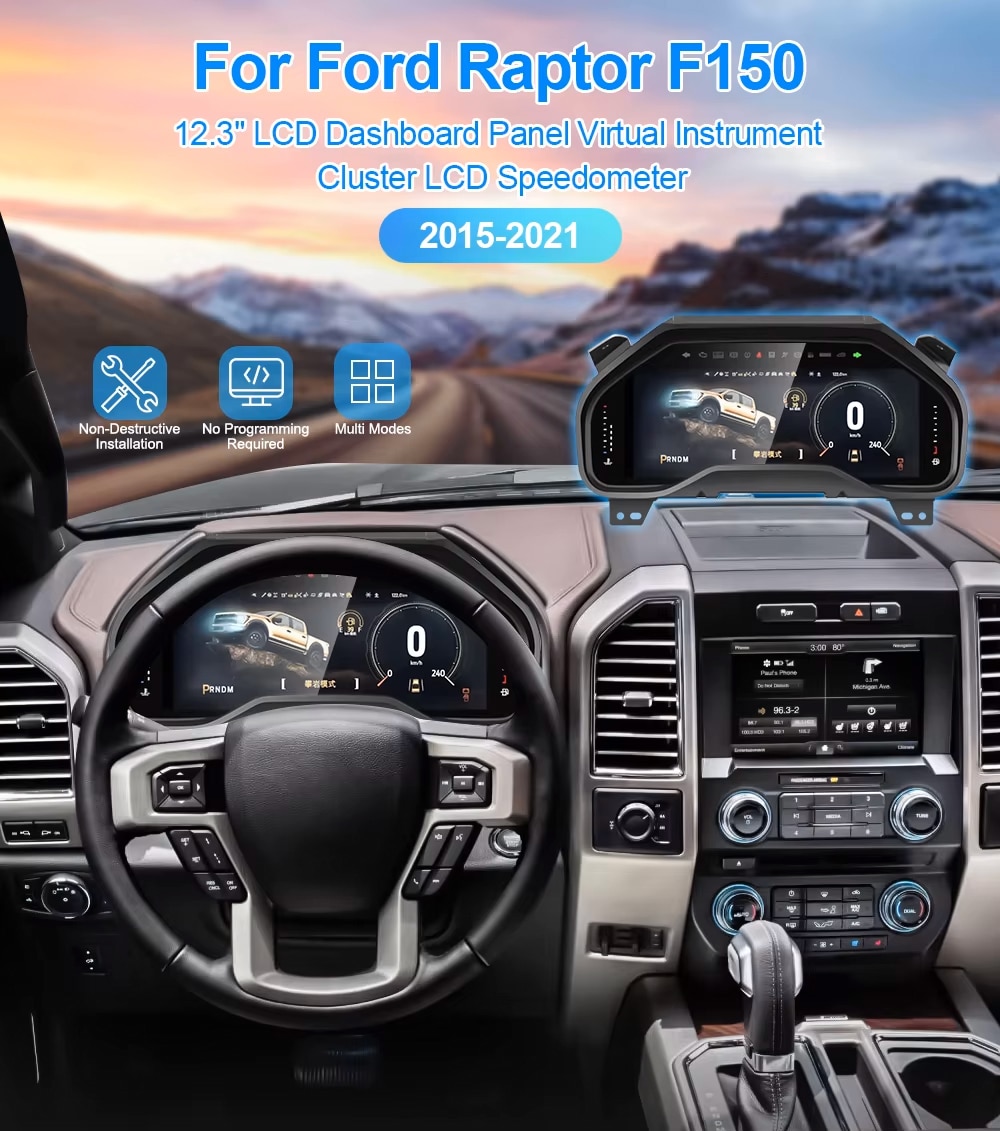
What to Check Before You Buy an F150 Raptor Digital Instrument Cluster
Is it really plug and play, or just marketed that way?
This is the first question serious buyers ask. Plug and play should not mean “almost direct fit.” It should mean the unit works with the original factory wiring concept, fits the intended dashboard layout, and avoids turning the installation into custom rewiring or trim modification.
For a Raptor owner, this matters even more because the truck already has a defined interior identity. The moment an upgrade feels improvised, the entire cockpit starts to feel less premium.
Will the original mileage and vehicle data stay correct?
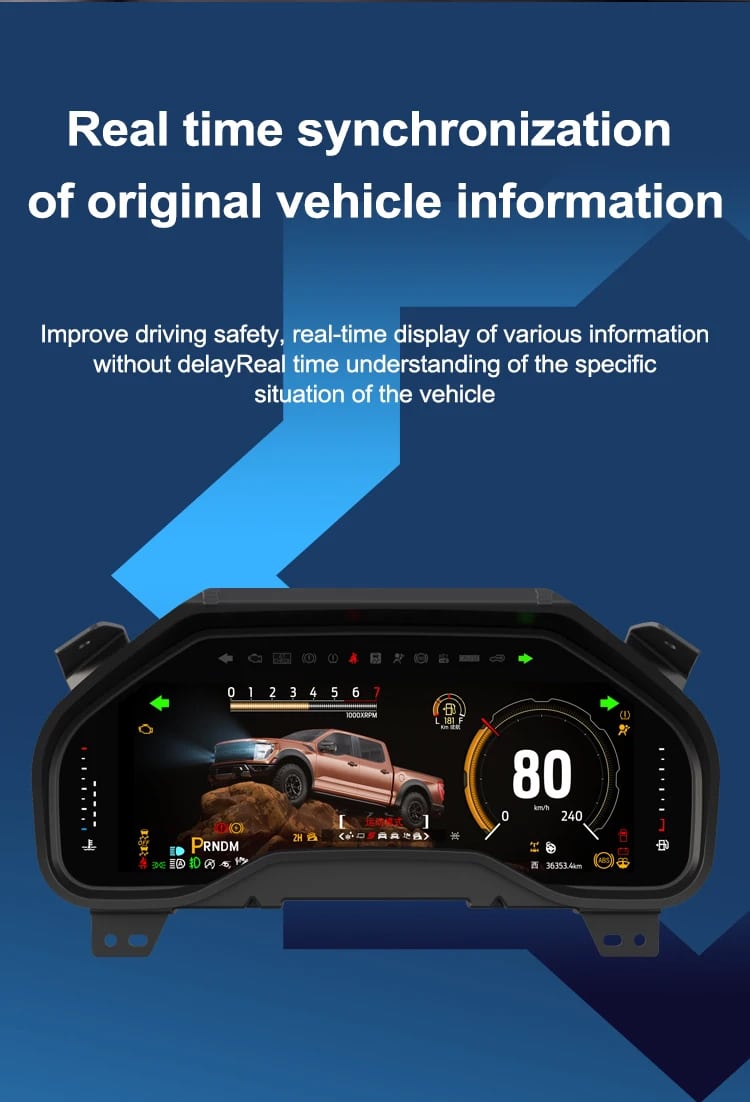
Buyers do not want a cluster that only looks better. They want the truck’s original data to remain trustworthy. That includes mileage, maintenance information, warning status, and core live parameters.
This is one of the reasons CAN-BUS integration and automatic original data synchronization matter so much in this category. Appearance sells attention, but data integrity is what earns trust.
Will the display feel right for a Raptor, not just a normal F-150?
This is where Raptor-specific search intent becomes important. Owners are not just looking for a digital display. They want a more rugged, off-road-ready visual language that fits the truck’s performance identity.
A standard generic interface can make the cabin look newer, but a proper Raptor-style theme makes the cabin feel more aligned with the vehicle itself.
Why does Linux matter for a dashboard upgrade?
Because a digital instrument cluster is not just a display. It is part of the driver’s immediate information zone. Fast startup, stable operation, and readable graphics matter more here than a heavy app-style system.
A Raptor is the wrong place for lag, freezing, or gimmick-first software. Buyers usually benefit more from reliability than from extra complexity.
What support should I expect after buying?
The best answer is not “contact us if needed.” The better answer is a structured path: fitment confirmation, install guidance, post-install setup help, and a clear response path if the truck has a version mismatch or needs additional configuration.
That is the difference between a supported upgrade and a risky hardware purchase.
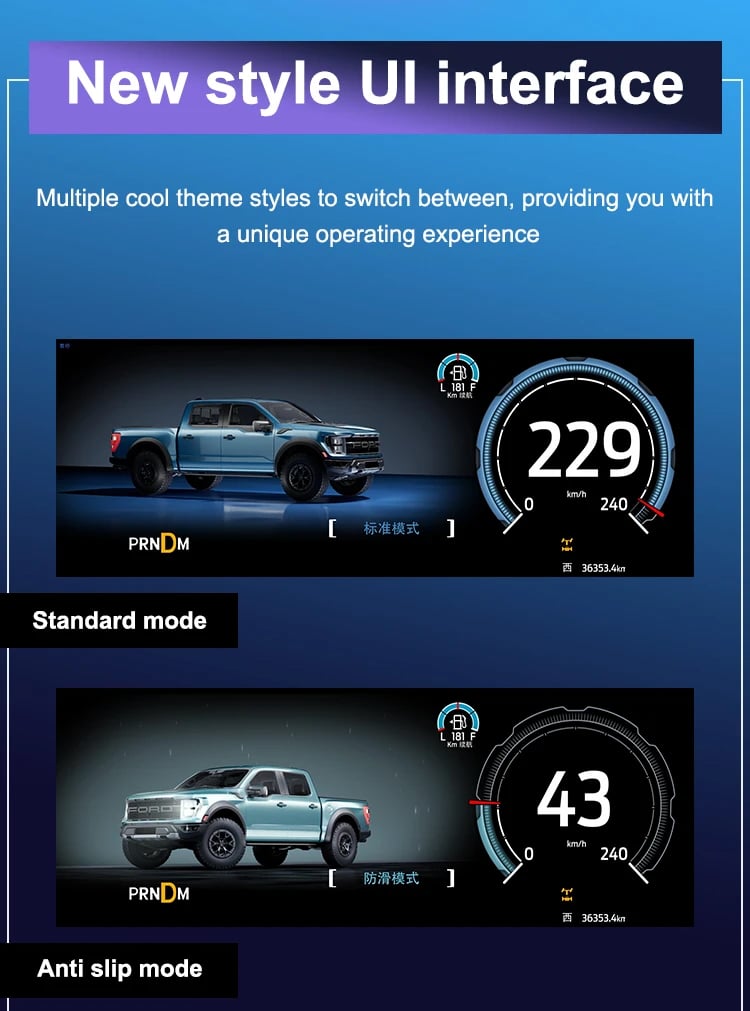
The UI Theme and Live Data Are Part of the Appeal
For Raptor owners, the digital cluster is not just about replacing analog gauges. It is about creating a cockpit that feels more advanced and more aligned with the truck’s purpose.
- Off-Road / Raptor-style UI gives the display a more aggressive personality.
- Real-time TPMS and fuel data matter more in trucks that are used with confidence.
- Engine and maintenance visibility help the cluster feel more functional, not just cosmetic.
- The right screen should make the cabin feel more serious, not more complicated.
The 5-Step Process Buyers Want to Understand Before Ordering
A clear process increases trust. Buyers want to know what happens before payment, after the package arrives, and how the truck reaches the final “virtual cockpit” result.
Send Dashboard Photo & Vehicle Year
Compatibility starts with the truck itself. This reduces mismatch risk before the order is placed.
Confirm Fitment Before Purchase
Once the vehicle details are checked, buying becomes much more controlled and predictable.
Receive the Package & Install Hardware
The installation path should remain clean, direct, and built around the original cluster location.
Get the Software Upgrade Package
After hardware installation, the setup is completed with the software-side support process.
Activation Complete
The final result should be a tougher, cleaner digital cockpit that still feels factory-worthy.
A Raptor Dashboard Should Feel Fast, Solid, and Purpose-Built
A truck like the Raptor should not greet the driver with slow boot times, lag, or unstable graphics. A dashboard display has a different job from a media unit. It has to be quick, readable, and dependable every time the ignition turns on.
That is why Linux makes sense in this product category. Buyers are not looking for a tablet experience in front of the steering wheel. They are looking for a strong instrument display that feels immediate and safe.
- Faster startup makes the truck feel more OEM-like.
- Better stability supports daily confidence and driving safety.
- Clearer focus on data presentation keeps the product practical.
- Less software drama means a better ownership experience after installation.
What Buyers Are Actually Getting
Why These Practical Details Matter to Conversion
Buyers do not only compare features. They compare the risk around the order. Shipping speed, return rules, warranty coverage, and how fast support answers all affect whether the customer feels comfortable paying.
- Fast support is important because many buyers schedule installation in advance.
- Warranty coverage matters because the cluster is a serious interior upgrade, not a disposable accessory.
- Shipping clarity matters because buyers want a predictable timeline before they open the dashboard.
- A clear return and damage policy reduces hesitation before checkout.
Use These Visual Slots to Support Search Intent and Conversion
Hero comparison
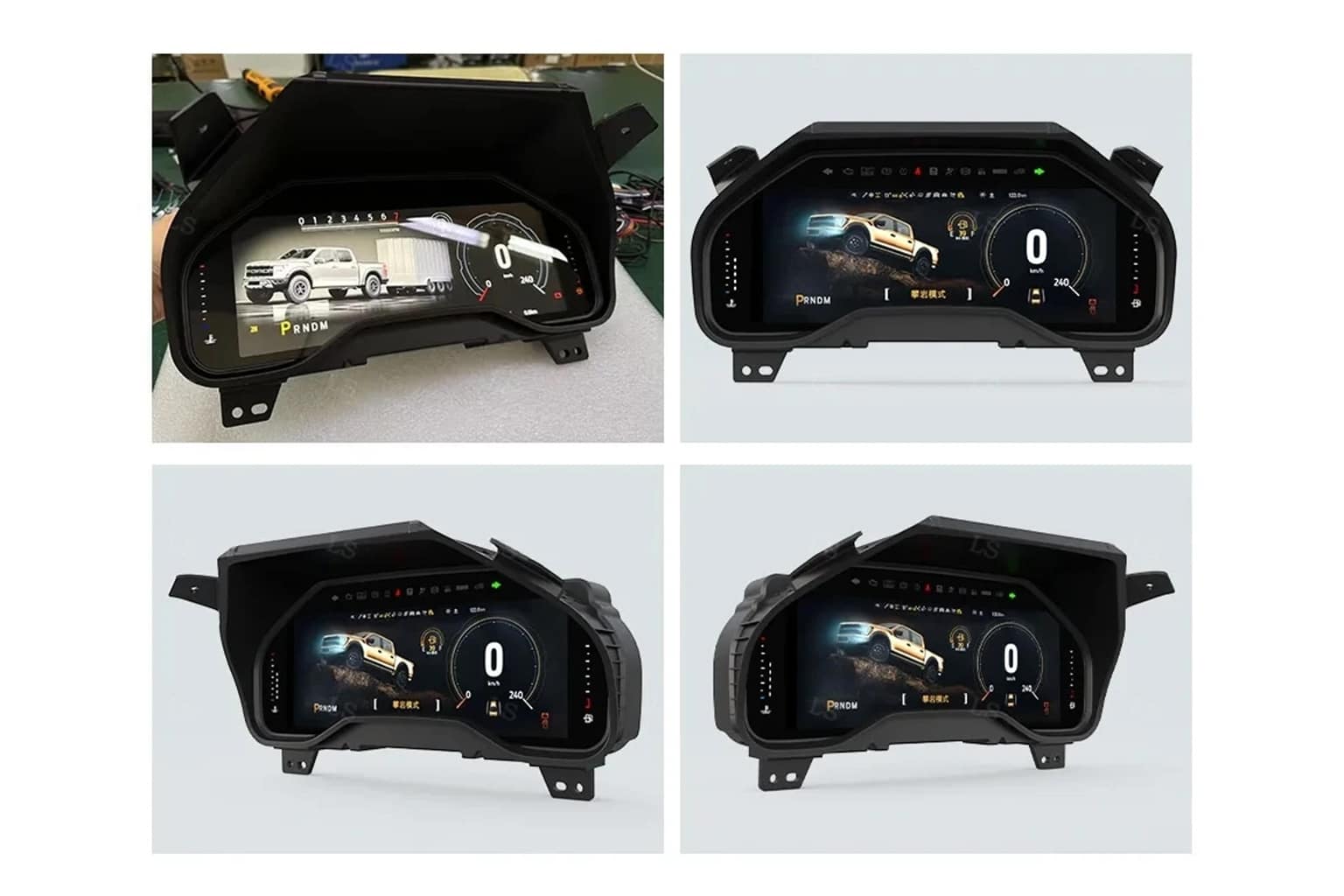
Before and after dashboard shot for Ford Raptor / F150 cockpit transformation.
Installed cabin shot
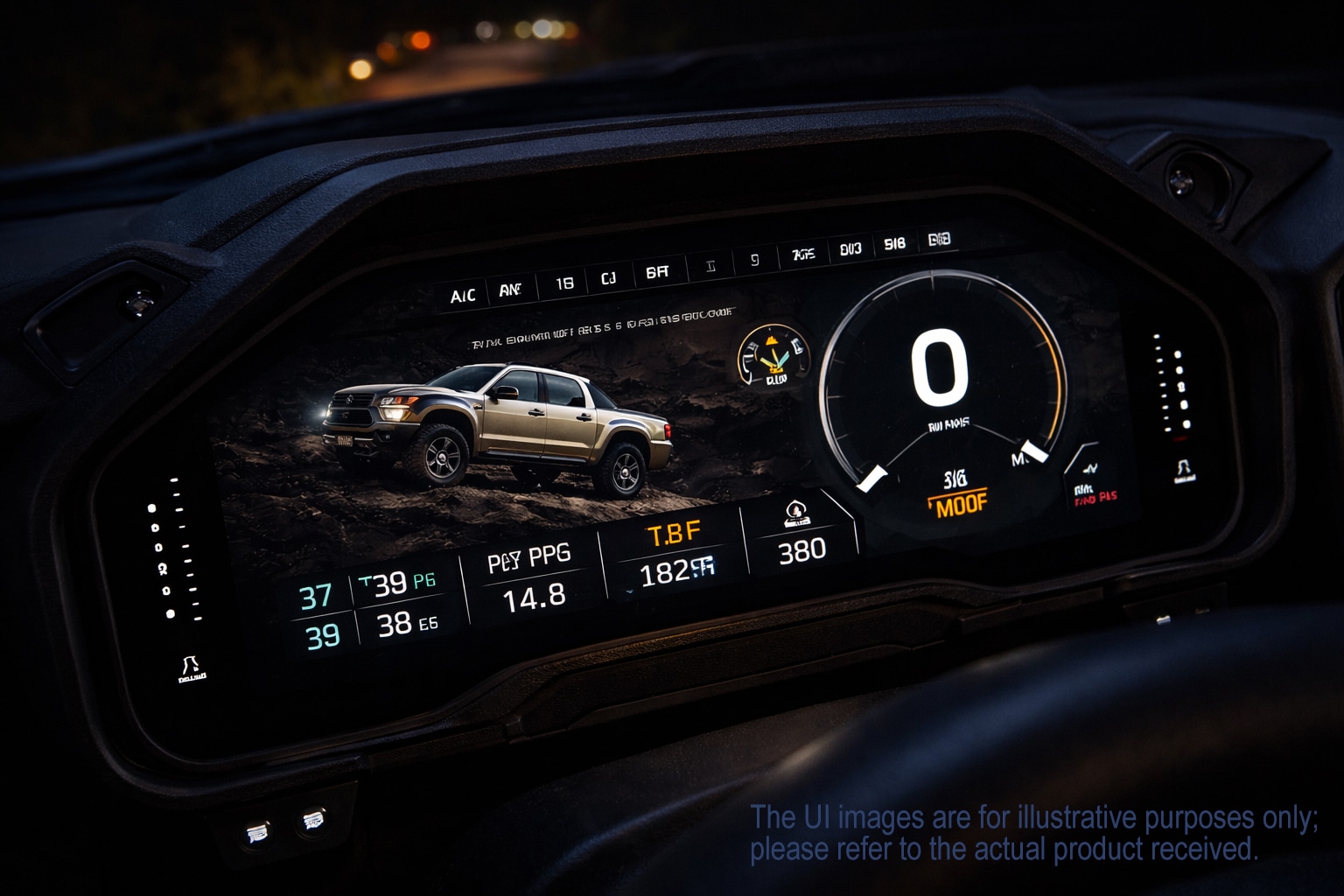
Driver-seat angle with steering wheel and cluster lit up in a darker interior setting.
Raptor UI image
Show the Off-Road / Raptor-style interface to support the “specific model intent” angle.
Wiring image
Connector close-up to reinforce the plug-and-play fitment story.
Live data image
TPMS, MPG, engine and oil-related data visible on-screen.
Night display image
Real low-light image to support readability and tougher cockpit atmosphere.
Frequently Asked Questions About the F150 Raptor Digital Instrument Cluster
Does this cluster support a Raptor-style interface?
Yes. The appeal for many Raptor owners is not just the digital screen itself, but the more aggressive interface style. That makes the cluster feel more aligned with the truck’s off-road personality instead of looking like a generic digital swap.
Is it really plug and play for the intended 2015–2020 application?
Buyers should always verify fitment first, but the right expectation here is direct-fit installation with the original wiring concept retained, rather than custom rewiring or dashboard modification.
Will the original mileage stay synchronized?
That is one of the most important buying questions. A quality digital instrument cluster should preserve trust in the vehicle’s original data, not create uncertainty around the odometer or maintenance information.
Why would a Linux-based cluster be better here than Android?
Because the dashboard is part of the driver’s critical information zone. Buyers usually benefit more from fast startup, stable operation, and lower crash risk than from extra software complexity.
Can I still use factory steering wheel controls?
That is a core expectation for this kind of upgrade. The best result is a more modern cockpit that still behaves naturally with the controls you already use every day.
What if my truck has a mismatch or special configuration?
This is where support matters. A serious seller should have a fitment confirmation process before purchase and a response path after installation if the truck needs additional setup attention.
Who is this upgrade best for?
It is best for owners who want a tougher, cleaner, more modern cockpit without sacrificing original data behavior, factory usability, or the overall character of the Raptor interior.
Built for Owners Who Want a Tougher Digital Cockpit Without Losing Factory Confidence
A strong F150 combiné d'instruments numérique Raptor upgrade should do three things at once: modernize the cabin, preserve the truck’s original information flow, and strengthen the visual identity that makes a Raptor feel special. If your priority is plug-and-play fitment, stable Linux performance, original mileage synchronization, Raptor-style UI, and real post-purchase support, this is the right kind of upgrade to evaluate seriously.








Add comment